
Why Your Renovation Timeline Might Change, and Why That Is Not Always a Bad Thing
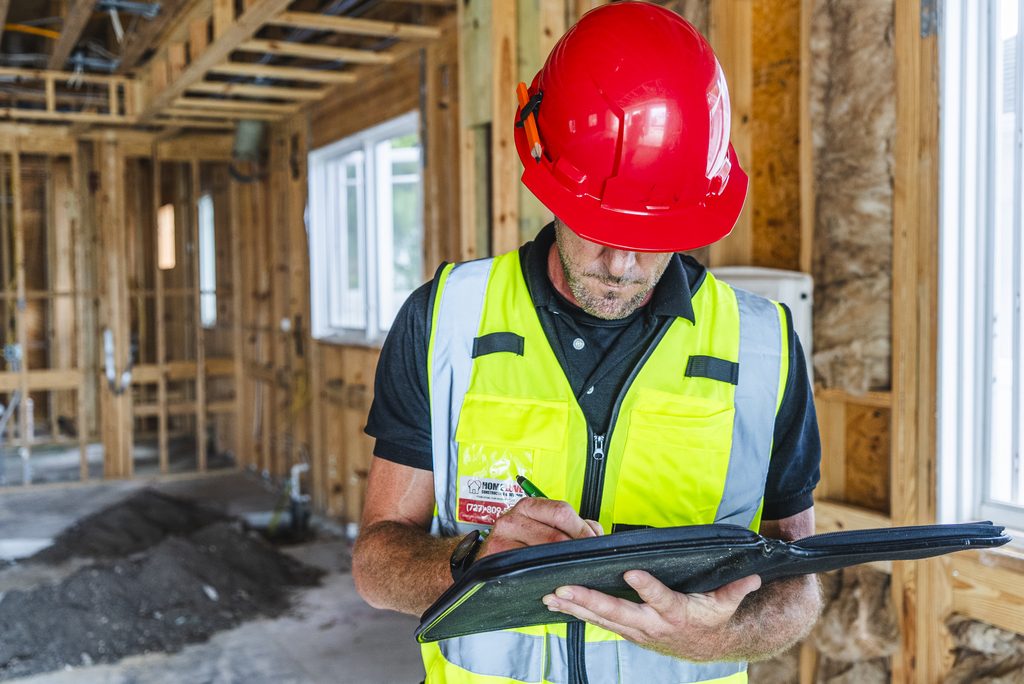
If you have ever watched a home renovation show, you might think remodeling works something like this:
Day one, everyone shows up with sledgehammers.
A few dramatic problems appear.
Someone says, “We did not expect to find THAT behind the wall.”
Then suddenly there is a beautiful kitchen and everybody is drinking coffee around a giant island.
Real remodeling is a little different.
A professional contractor should absolutely give you a project schedule and communicate what to expect. But even a well-planned home renovation timeline can change once construction begins.
That does not automatically mean something has gone wrong.
Homes are complicated. Remodeling means combining new materials, new designs, inspections, trades, and modern building requirements with a house that may have been built decades ago. Until certain walls, floors, or ceilings are opened, nobody can see everything hiding inside them.
For homeowners in Tampa, Clearwater, Dunedin, Safety Harbor, and throughout Tampa Bay, understanding why a remodel timeline can shift makes the entire renovation process much easier to navigate.
So, why might your completion date move?
Quite a few reasons.
And no, it is not always because your contractor disappeared to a mysterious construction convention.
First, What Is a Home Renovation Timeline?
A renovation timeline is the planned sequence of your project from preparation through completion.
It usually includes more than the days when someone is physically swinging a hammer inside your house.
Depending on the project, there may be:
- Design and planning
- Product and finish selections
- Engineering or structural planning
- Permit preparation and review
- Material ordering
- Site preparation
- Demolition
- Framing
- Electrical, plumbing, and mechanical work
- Required inspections
- Drywall and finishes
- Cabinets and countertops
- Flooring
- Fixtures
- Paint and trim
- Final corrections and walkthroughs
One reason homeowners sometimes wonder “Why is my remodel taking so long?” is because not every step looks like construction.
A day when nobody is installing cabinets may still be an important part of the schedule if the project is waiting for an inspection, material delivery, design approval, or another step that must happen first.
Renovations are less like a race and more like a very complicated line of dominoes.
If one domino needs to move, several others may need to move with it.
Hidden Conditions Can Change the Plan
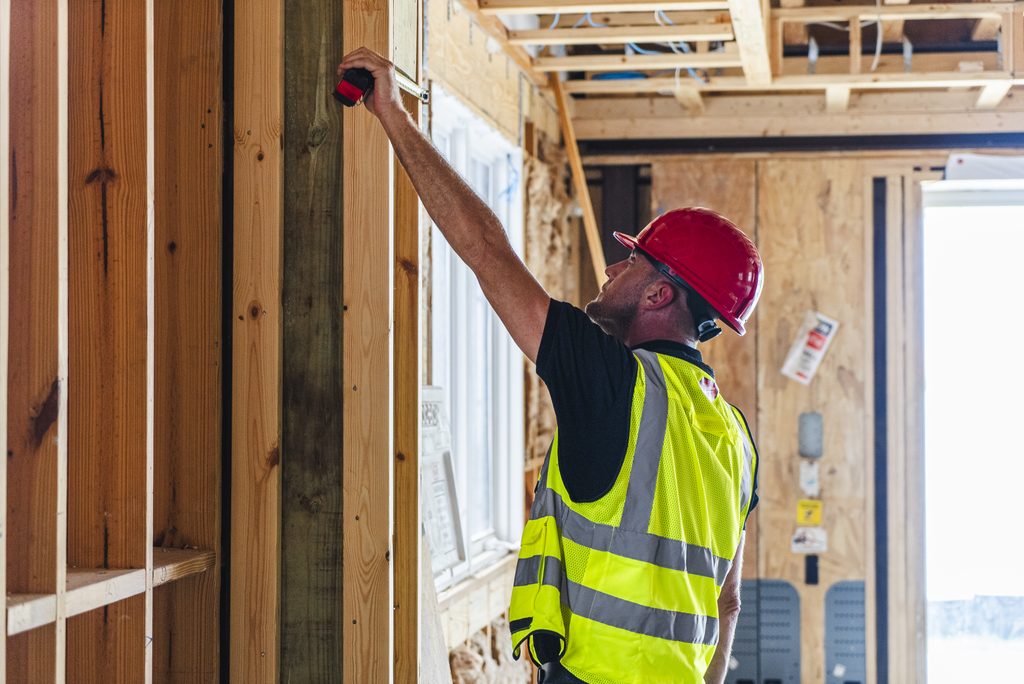
This is probably the biggest renovation surprise for homeowners.
Your contractor can inspect the house before construction begins, take measurements, review plans, and look for visible problems.
What they cannot do is see through every wall.
Once demolition begins, the project team might discover:
- Old plumbing that needs attention
- Electrical work that was installed differently than expected
- Water damage
- Wood deterioration
- Previous repairs
- Framing that does not match the expected layout
- Unexpected ductwork
- Uneven floors or walls
- Structural conditions that require further evaluation
This is especially important in older homes that may have been renovated several times.
Your house has a history.
Sometimes that history is beautiful original craftsmanship.
Sometimes it is somebody from 1987 saying, “Yeah, I think this wire probably goes here.”
When an unexpected condition affects safety, structure, plumbing, electrical systems, or another important part of the home, a responsible contractor should investigate it before covering it back up.
That investigation may alter the renovation timeline, but ignoring the problem simply to stay on schedule can create much larger problems later.
Permits and Inspections Can Affect a Remodel Timeline
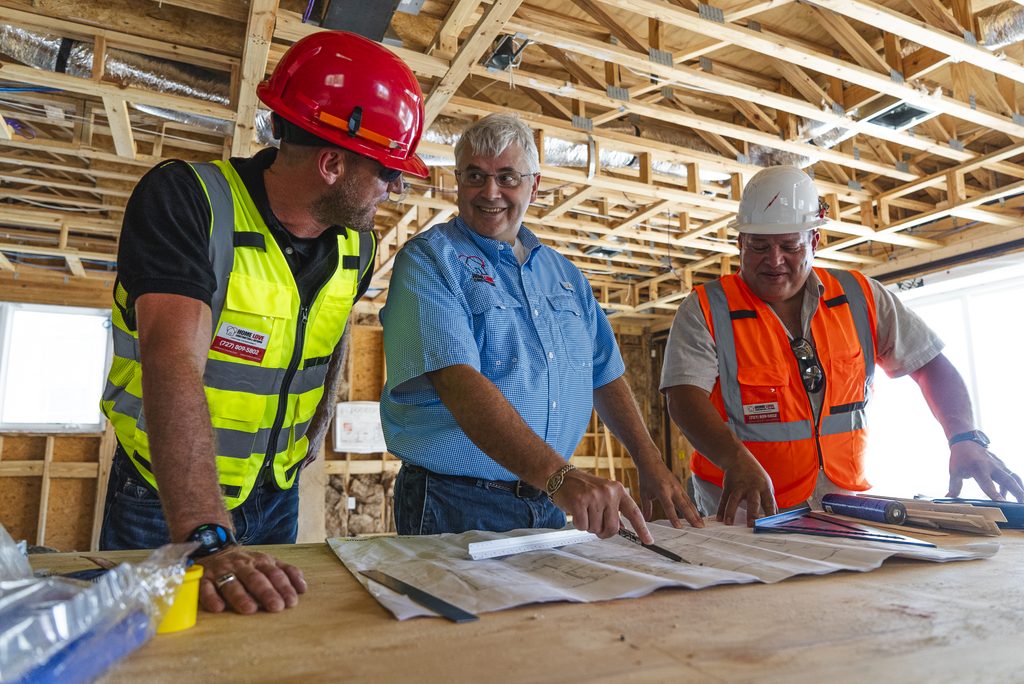
Depending on the scope of your renovation, permits and inspections may be part of the process.
Requirements vary by project and jurisdiction, which is especially important around Tampa Bay because permitting authorities depend on where the property is located.
The City of Tampa, for example, identifies several stages within its residential remodeling process, including application, plan review, inspections, and project completion. The city also notes that inspection requirements can vary depending on the scope of work.
Hillsborough County similarly requires applicable inspections after a permit has been issued, and Pinellas County states that permitted building and construction projects require inspections.
Why does that matter to your schedule?
Because certain work may need to be inspected before the next layer can cover it.
Imagine your contractor completes work inside a wall.
The next logical step might be insulation or drywall. But if an inspection is required before the wall can be closed, the team may need to wait for that inspection first.
That is not wasted time.
That is part of building the project properly.
Material Availability Can Move the Schedule
A remodeling schedule is also connected to the materials going into the home.
Cabinets, tile, plumbing fixtures, doors, windows, flooring, lighting, appliances, hardware, and specialty products all have their own availability.
Sometimes an item arrives exactly when expected.
Sometimes it decides to take the scenic route.
A product might be backordered. A shipment might be delayed. Something may arrive damaged. A manufacturer could discontinue a selection. A homeowner may change a finish after the original product has already been planned into the project.
Material availability continues to be identified as one of the factors that can affect renovation schedules.
A good contractor can plan ahead and order important items early when appropriate, but no contractor controls every manufacturer, distributor, trucking company, warehouse, or shipping network involved in getting a product to your house.
This is why early selections matter.
The sooner major decisions are finalized, the easier it becomes to coordinate the construction sequence around them.
One Small Change Can Affect More Than One Trade
Here is another remodeling truth that surprises homeowners:
There really is no such thing as “just move it over a little.”
Imagine you decide you want your kitchen sink somewhere different.
That decision might affect the cabinet layout.
Which might affect plumbing.
Which might affect countertops.
Which might affect electrical locations.
Which might affect lighting.
Which might affect the backsplash.
Suddenly, the innocent little sink has started a construction group project.
Changes are absolutely part of remodeling, and sometimes changing something during construction produces a much better finished home.
The important thing is understanding that a change can affect more than the item being changed.
Before approving a change, ask your contractor:
Will this affect the project schedule?
That simple question can prevent a lot of confusion.
Decisions Can Become Timeline Decisions
Homeowners have more influence over the project schedule than they sometimes realize.
During construction, your team may need decisions about:
- Tile
- Paint
- Hardware
- Fixture locations
- Cabinet details
- Lighting
- Flooring
- Layout adjustments
- Unexpected conditions
If construction reaches a point where the next step depends on a homeowner decision, work in that particular area may need to wait.
This does not mean you should rush through important decisions.
It means that making selections early and responding promptly when questions arise can help keep things moving.
One of the easiest ways to improve your home renovation timeline is simply to stay engaged.
You do not need to stand behind the carpenter all day asking, “How’s it going?”
Please don’t.
But you should know who your project contact is, check messages, review requested decisions, and ask questions when you do not understand something.
Different Trades Have to Work in the Right Order
A remodeling project involves sequencing.
The plumber cannot always perform their part before framing is ready.
Drywall cannot cover areas that still need work or required inspections.
Cabinets may need to be installed before countertops can be finalized.
Certain finishes should not be installed while heavier construction work is still happening around them.
That means a contractor is not simply trying to get everyone into your house as quickly as possible.
They are trying to get the right people there at the right time.
Think of it like making Thanksgiving dinner.
You technically own everything you need to make turkey, mashed potatoes, stuffing, gravy, and pie.
That does not mean putting all of it in the oven at the same time is a great strategy.
Construction works the same way, except the turkey is drywall.
Tampa Bay Weather Can Become Part of the Conversation
Interior projects are often less affected by weather than exterior construction, but remodeling rarely happens inside a perfect bubble.
Additions, roofing, exterior openings, concrete work, deliveries, excavation, and other outdoor portions of a project can be affected by rain or severe weather.
That is particularly worth understanding when remodeling in the Tampa Bay area.
Heavy rain can affect outdoor work conditions. Severe weather may also affect deliveries, inspections, worker availability, or the ability to safely perform certain tasks.
Again, the goal should not be sticking to a date at all costs.
The goal should be completing the work safely and correctly.
What Causes Renovation Delays That Could Have Been Prevented?
Not every schedule change is unavoidable.
Some problems can be reduced with better planning.
Common preventable issues include:
Making major selections too late
If the project needs an item and the item has not been selected, the contractor cannot always move forward.
Constantly changing the scope
One change may be manageable.
Continually redesigning the project while it is being built can turn the construction schedule into something resembling a choose-your-own-adventure book.
Starting before the design is ready
Demolition feels exciting, but starting construction before important details are worked out can create unnecessary questions later.
Poor communication
Contractors and homeowners both need clear communication.
Questions should be answered. Changes should be documented. Expectations should be discussed.
Ordering the wrong products
Measurements, specifications, compatibility, and installation requirements matter. A product that looks perfect online is not necessarily correct for your particular space.
Preparation cannot eliminate every surprise, but it can eliminate a surprising number of surprises.
How Long Does a Home Renovation Take?
This is one of the most common questions homeowners ask, and unfortunately there is no universal answer.
A bathroom renovation, kitchen remodel, home addition, and whole-home renovation are completely different projects.
Even two kitchens that look similar can have very different timelines.
One might involve mostly cabinets and finishes.
Another might include moving walls, changing plumbing, replacing electrical systems, modifying windows, structural work, and extensive permitting.
Current renovation guidance consistently emphasizes that project scope, planning, permits, materials, and unexpected conditions influence how long a renovation takes.
So rather than asking only:
“When will it be done?”
Try also asking:
“What are the major stages of my project, and what could cause the schedule to change?”
That conversation gives you much more useful information.
A Changing Timeline Does Not Mean You Should Accept Poor Communication
There is an important difference between a reasonable schedule adjustment and disappearing communication.
Things happen during renovations.
Your contractor should still communicate.
If the schedule changes, you should be able to understand:
- What happened
- Why it matters
- What needs to happen next
- Whether another part of the project can continue
- Whether you need to make a decision
- How the change affects the remaining schedule
You may not love hearing that something changed.
Nobody has ever thrown a party because their cabinet delivery moved.
But knowing what is happening is much less stressful than wondering what is happening.
How Homeowners Can Prepare for a Changing Remodel Timeline
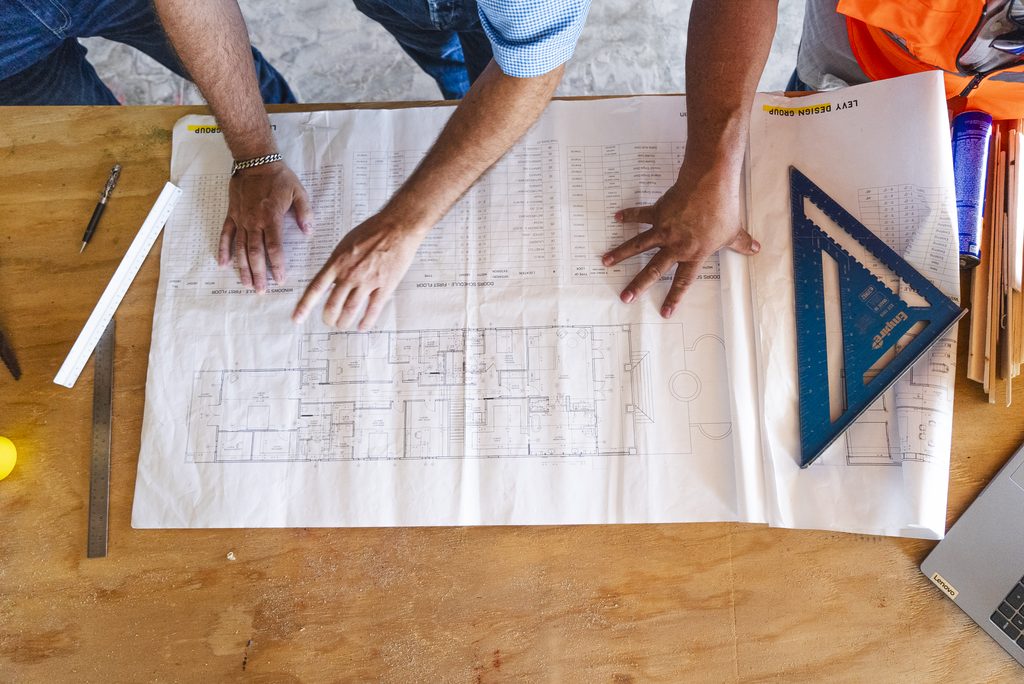
You cannot control every part of construction, but you can make the experience easier.
Finalize major decisions as early as reasonably possible.
Ask about long-lead or special-order materials before construction begins.
Avoid scheduling major events immediately around a projected completion date.
Keep some flexibility in temporary living arrangements when possible.
Respond quickly when your contractor needs a decision.
And most importantly, choose a contractor who explains the process instead of simply giving you a date and hoping nothing changes.
A realistic construction schedule should be a planning tool, not a fantasy novel.
Planning a Renovation in Tampa Bay?
Whether you are remodeling a kitchen in Tampa, renovating a bathroom in Clearwater, updating an older home in Dunedin, planning a project in Safety Harbor, or tackling a larger renovation somewhere in the Tampa Bay area, understanding the process before construction begins can make a huge difference.
At Home Love Construction, we believe homeowners should understand not only what is being built, but what is happening along the way.
Renovations can change. Homes can surprise you. Materials can move. Inspections can affect sequencing. The important part is having a plan, communicating when that plan changes, and continuing to move toward a finished home that was worth the process.
Because the real goal is not simply finishing as fast as possible.
It is finishing right.